
Can You Track a Phone's IMEI Across Different Countries?
Byadmin
Losing a smartphone while travelling abroad can create problems beyond the loss of the device itself. Your phone may contain personal photographs, banking applications, saved passwords, work documents, and important contacts. The situation becomes even more complicated when the device is taken to another country, where different mobile networks, operators, and regulations apply.
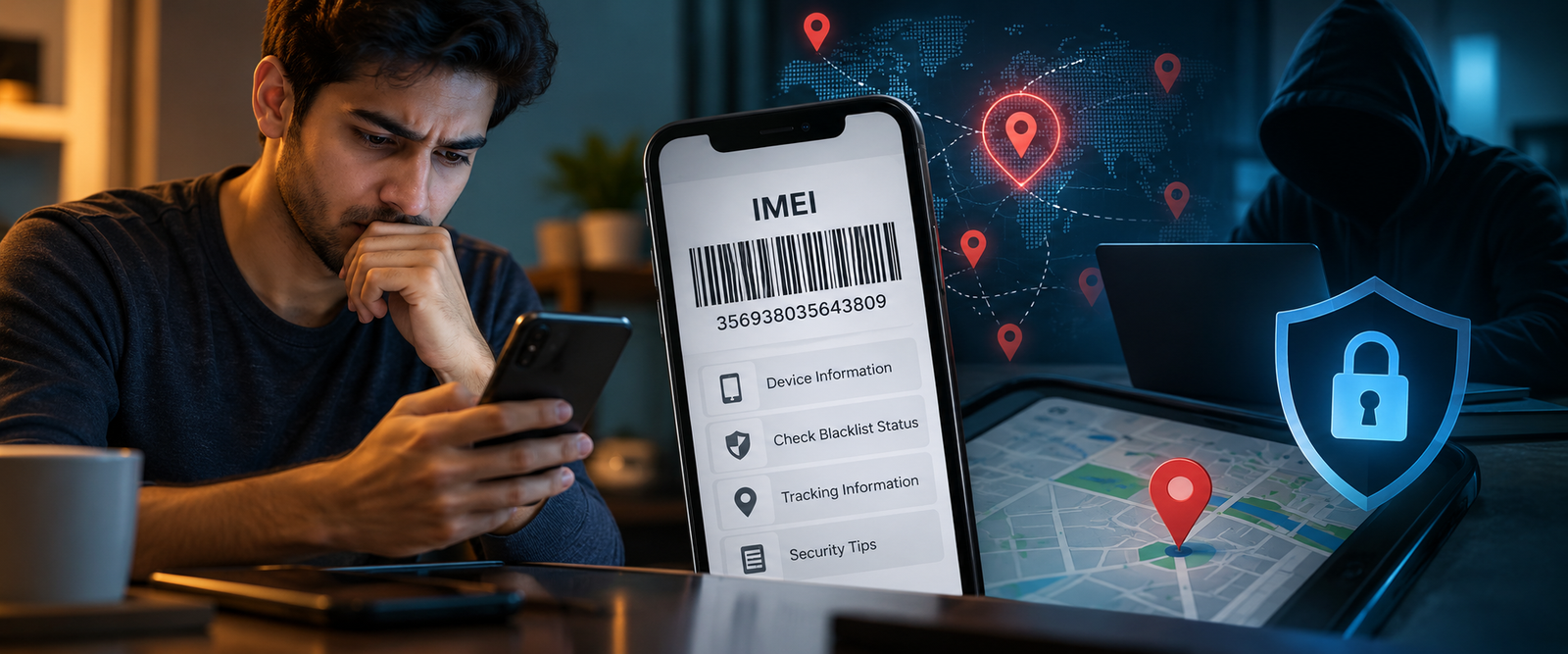
One common question people ask is whether an IMEI number can help locate a stolen phone after it crosses international borders. The short answer is that an IMEI can help identify a mobile device on compatible cellular networks, and shared industry databases can help operators restrict the use of reported stolen devices. However, an IMEI is not a worldwide GPS tracking system that allows anyone to view a phone's live location.
If you are searching for an international number or an IMEI-based solution to recover a missing device, it is important to understand the difference between a mobile number, an IMEI, and actual location information. An international phone number identifies a mobile subscription, while an IMEI identifies the cellular device itself.
This guide explains how international IMEI tracking works, what happens when a stolen phone enters another country's network, and how police and mobile operators may assist with device recovery.
How Does IMEI Tracking Work Across International Borders?
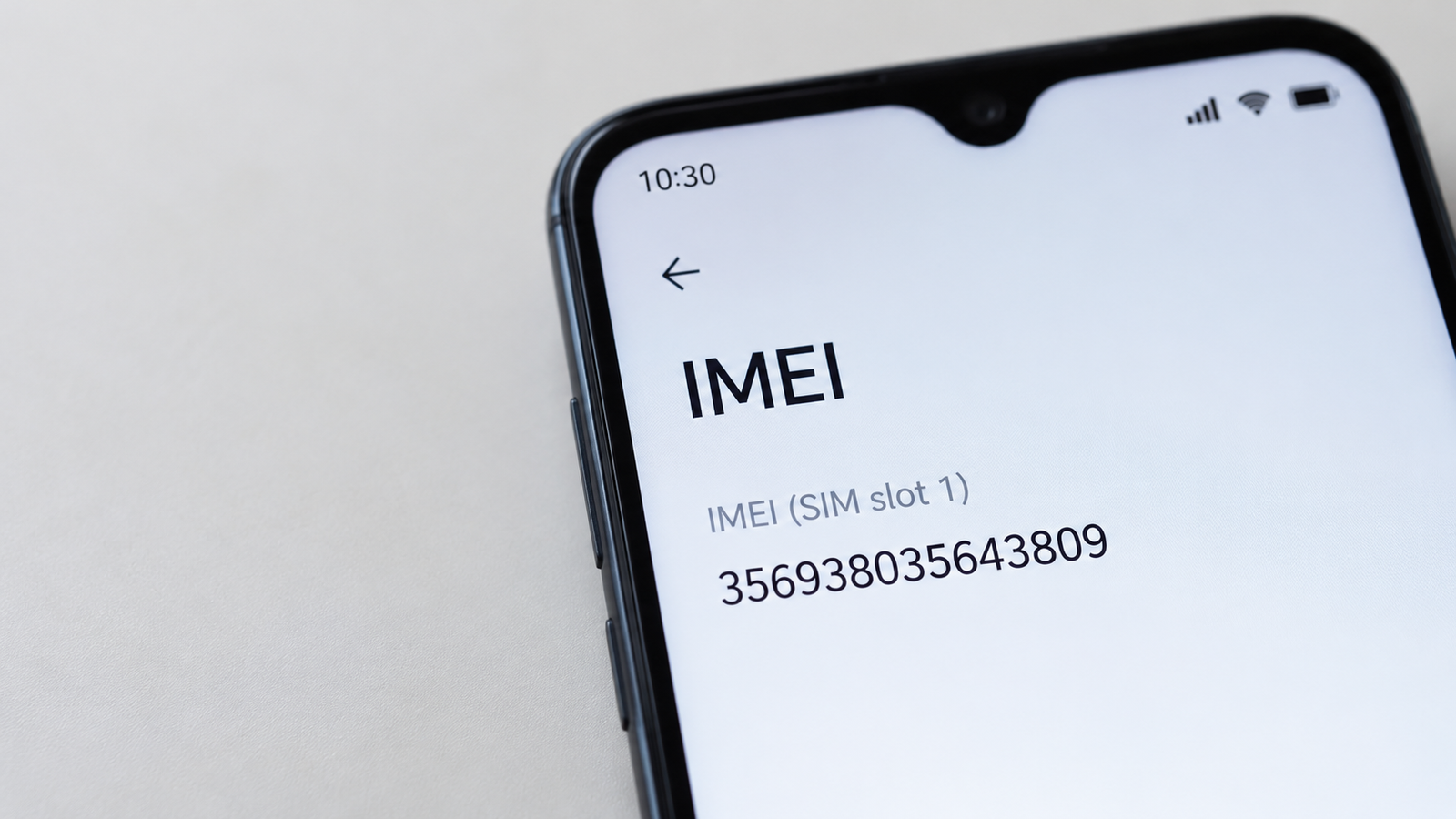
IMEI stands for International Mobile Equipment Identity. It is a unique identification number assigned to a cellular device. Most modern smartphones have a 15-digit IMEI, although some devices have multiple IMEI numbers because they support dual SIM functionality.
When a phone connects to a cellular network, the network can use its IMEI to identify the device. Mobile operators maintain equipment identity records that can help determine whether a handset is permitted to access their networks.
For example, imagine that someone loses a smartphone in India and the device is subsequently taken to another country. If the phone connects to a compatible mobile network abroad, that network may be able to identify the handset through its IMEI.
However, identifying a device does not automatically reveal its geographical location to the original owner. Network identification and location tracking are two different processes. Access to network information depends on the operator, available technical records, applicable laws, and authorized procedures.
International cooperation also plays an important role. The GSMA maintains a Device Registry containing information about devices reported lost or stolen. Participating mobile operators can use shared IMEI information to help prevent reported devices from accessing their networks, including when devices are transported to other countries.
There are several important points to understand:
Device identification: The IMEI helps a mobile network recognize a particular handset.
Network access: Operators can use equipment identity records to determine whether a device should be allowed to connect.
International information sharing: Participating operators can use shared lost-or-stolen device information.
Location access: Identifying a phone through its IMEI does not mean that its live GPS location is publicly available.
Legal cooperation: Authorities may request relevant information from operators through applicable legal procedures.
Therefore, international IMEI tracking is better understood as a combination of device identification, network information, and authorized cooperation rather than a simple online location search.
An online IMEI tracker may provide certain device-identification information, depending on the service. However, entering an IMEI into a public website cannot independently establish the current physical location of a phone in another country.
Can a Stolen Phone Be Tracked After Being Taken Abroad?
Yes, a stolen phone may still be identifiable through its IMEI after being taken abroad, provided it connects to a compatible cellular network. However, whether the device can be located or recovered depends on several conditions.
Changing countries does not automatically change a phone's IMEI. The device generally retains its assigned identifier even when the owner changes SIM cards, uses international roaming, or connects to a foreign mobile operator.
Consider this example:
Suppose a person loses a Samsung smartphone in India while travelling. The phone is stolen and later transported to another country. Someone inserts a local SIM card into the handset and attempts to use it.
When the device attempts to register with the cellular network, the operator may be able to identify its IMEI. If the handset has already been reported and its identifier is included in a shared blocking database used by that operator, the network may restrict its access.
However, there is an important distinction between identifying and locating the handset. The IMEI helps the network recognize the device, but the original owner cannot simply enter that number into an IMEI tracker and obtain the phone's foreign address or live GPS coordinates.
Several situations may affect the recovery process:
1. The phone connects to a foreign mobile network
If the handset connects to a compatible network, the operator may be able to identify its IMEI. Whether this information can assist an investigation depends on the operator's records and applicable legal requirements.
2. The phone uses a different SIM card
Replacing the original SIM card does not normally change the device's IMEI. The new SIM identifies a different mobile subscription, while the handset continues to have its own device identifier.
3. The phone is blocked through a shared database
Some international mobile operators use shared lost-or-stolen device information to restrict reported handsets. The GSMA Device Registry supports this type of information sharing, but participation and implementation can differ between networks and countries.
4. The phone remains switched off
A switched-off phone cannot make a new cellular network connection while it remains powered down. This means an operator cannot obtain new network registration information from that handset during that period.
5. The phone is used without a cellular connection
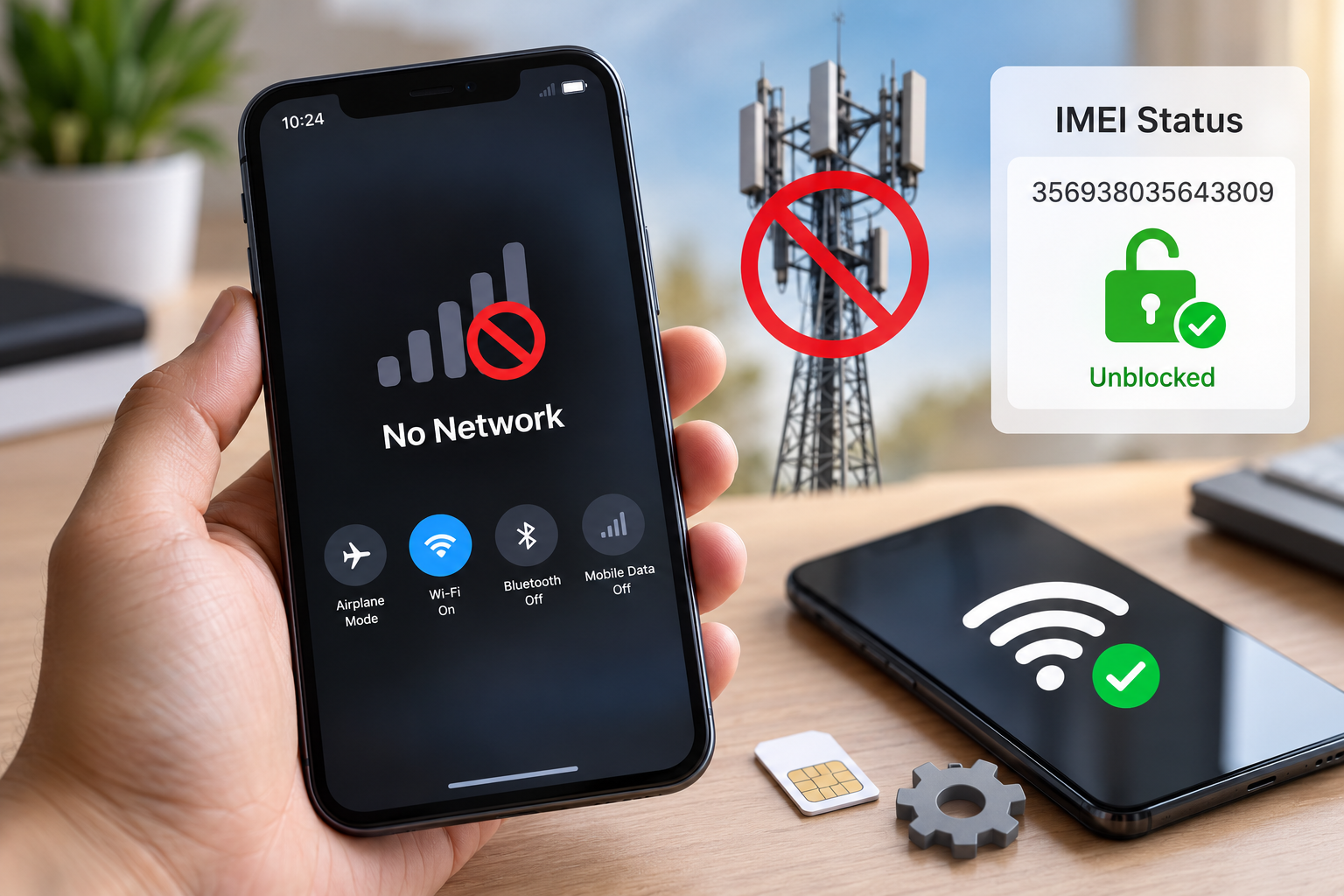
If the device does not connect to a mobile network, the operator cannot identify it through a new cellular registration at that time. However, compatible device-finding services may still provide location information through other supported technologies.
If your phone has been stolen abroad, do not rely exclusively on an IMEI number tracker. Use Google Find Hub or Apple Find My if they were enabled, report the theft to local police, and contact your original mobile network provider.
Can Police or Mobile Network Operators Track an IMEI Internationally?
Police authorities and mobile network operators may be able to use IMEI information during a stolen-phone investigation. However, the process is not the same in every country, and access to network records is generally subject to legal and privacy requirements.
Mobile operators have access to technical information generated when devices connect to their networks. Depending on the network and available records, this information may help identify a handset and support an authorized investigation.
For example, if a stolen phone connects to a foreign operator's network, the operator may have relevant device registration information. However, sharing that information with another country's authorities may require formal requests, legal authorization, or cooperation between the relevant organizations.
The original owner generally cannot request unrestricted access to another country's mobile network records simply by providing an IMEI number.
Here is how the different parties may contribute:
Mobile network operators
Identify handsets connecting to their networks.
Maintain equipment identity records.
Apply IMEI-based network restrictions where supported.
Respond to lawful requests for relevant information.
Police and law enforcement authorities
Record complaints involving lost or stolen devices.
Collect IMEI numbers, purchase documents, and other evidence.
Coordinate with relevant authorities when a device is believed to have crossed international borders.
Request information through applicable legal procedures.
International industry organizations
The GSMA supports industry-level information sharing through its Device Registry. Its shared block-list system helps participating operators identify devices reported lost or stolen and restrict their use on participating networks.
It is important to remember that the GSMA Device Registry is not a public GPS tracking service. It supports device identification and network blocking rather than providing ordinary users with live location access.
If you are reporting a stolen phone, provide the authorities with the following information:
Your phone's complete IMEI number or numbers.
The make, model, and colour of the device.
Your original mobile number and country code.
The purchase invoice or proof of ownership, if available.
The police complaint or incident reference.
The last known location and approximate time of the theft.
If the device was stolen while travelling, report it to the appropriate local authorities in the country where the incident occurred. Also inform your home-country mobile operator and ask about the available international reporting and blocking procedures.
What Factors Affect International IMEI Tracking?
International IMEI tracking depends on more than simply knowing a phone's identification number. A handset may be recognized by a network in one country but not necessarily be blocked or investigated in another.
Understanding the following factors helps explain why international device recovery can sometimes be complicated.
1. International network compatibility
A smartphone must support the cellular technologies and frequency bands used by the foreign network. If the device is incompatible with the available network, it may not connect successfully.
Without a cellular connection, the operator cannot receive a new network registration from that handset.
2. International roaming
International roaming allows a mobile subscriber to use participating foreign networks under an arrangement between the home operator and the visited operator.
Roaming does not change the phone's IMEI. It also does not automatically give the original owner access to the device's live location.
A phone may connect using its original SIM card while travelling abroad, but the availability of roaming and associated network records depends on the operators involved.
3. SIM card replacement
A stolen phone may be used with a different SIM card after crossing a border. This changes the mobile subscription being used, but it does not normally change the handset's IMEI.
Therefore, the IMEI remains useful for device identification even when the original SIM card is removed.
4. International IMEI blocking databases
Not every mobile operator or country necessarily applies identical IMEI-blocking procedures.
The GSMA Device Registry supports information sharing between participating operators, but actual blocking depends on participation, implementation, and the applicable network policies.
As a result, a phone blocked on one network may not automatically be blocked on every network worldwide.
5. Device connectivity and power status
The phone must communicate with a supported network for new cellular registration information to be generated.
If the device is switched off, damaged, or unable to connect to a network, obtaining new cellular information becomes difficult.
However, some Android and Apple devices support offline-finding features that may provide location information through separate technologies, depending on their settings and compatibility.
6. Local laws and international cooperation
Different countries have different privacy regulations, telecommunications policies, and procedures for accessing network information.
An operator may be able to identify a device but still be unable to share its records directly with a foreign individual or organization.
Formal cooperation between authorities may be necessary when an investigation involves multiple countries.
7. Device identification and location accuracy
An IMEI identifies the handset, not its exact geographical coordinates. Network information and GPS-based location information are different types of data.
The accuracy and availability of location information depend on the technology used, device settings, network coverage, and authorized access.
Understanding these limitations is essential before relying on any online IMEI number tracker that advertises worldwide phone recovery.
Frequently Asked Questions (FAQs)
1. Can I track my phone's IMEI from another country?
You may be able to use authorized device-recovery services and report the IMEI to relevant authorities or mobile operators from another country. However, an ordinary user cannot obtain a phone's live location simply by entering its IMEI into an online tracker.
2. Does an IMEI number work internationally?
Yes. An IMEI is a device identifier used across compatible cellular networks. Its identification purpose does not change when a phone moves between countries, although network compatibility and blocking procedures can vary.
3. Can a stolen phone be used in another country with a different SIM card?
Potentially, yes. If the foreign network accepts the device and its IMEI has not been blocked on that network, the handset may be able to connect. Replacing the SIM card does not normally change the IMEI.
4. Can a phone's IMEI be blocked in multiple countries?
Yes, this may be possible through shared industry databases such as the GSMA Device Registry. However, international blocking is not guaranteed on every operator or network. Participation and implementation vary.
5. Does international roaming help locate a stolen phone?
International roaming allows a mobile subscription to use participating foreign networks. It does not automatically provide the owner with live location information. Any access to relevant network records depends on the operator and applicable legal procedures.
Conclusion
A phone's IMEI remains an important device identifier even when the handset travels to another country. It can help mobile operators recognize devices, support stolen-device reporting, and enable network restrictions through participating industry databases.
However, international IMEI tracking should not be confused with worldwide GPS tracking. Knowing an IMEI number does not give an ordinary user direct access to a phone's live location or another country's mobile network records.
If your smartphone is stolen abroad, start with official device-finding services, report the incident to local police, and contact your mobile network provider. Keep your IMEI and proof of ownership available because they can support the identification and recovery process.
Use an IMEI tracker only with a clear understanding of what it can actually verify. A reliable recovery approach combines device identification, official reporting, network cooperation, and appropriate account-security measures rather than depending on unverified promises of instant international location tracking.
Leave a Reply
Your email address will not be published. Comments are reviewed before they appear.