
Can Someone Track You Using Your IMEI Number
Byadmin
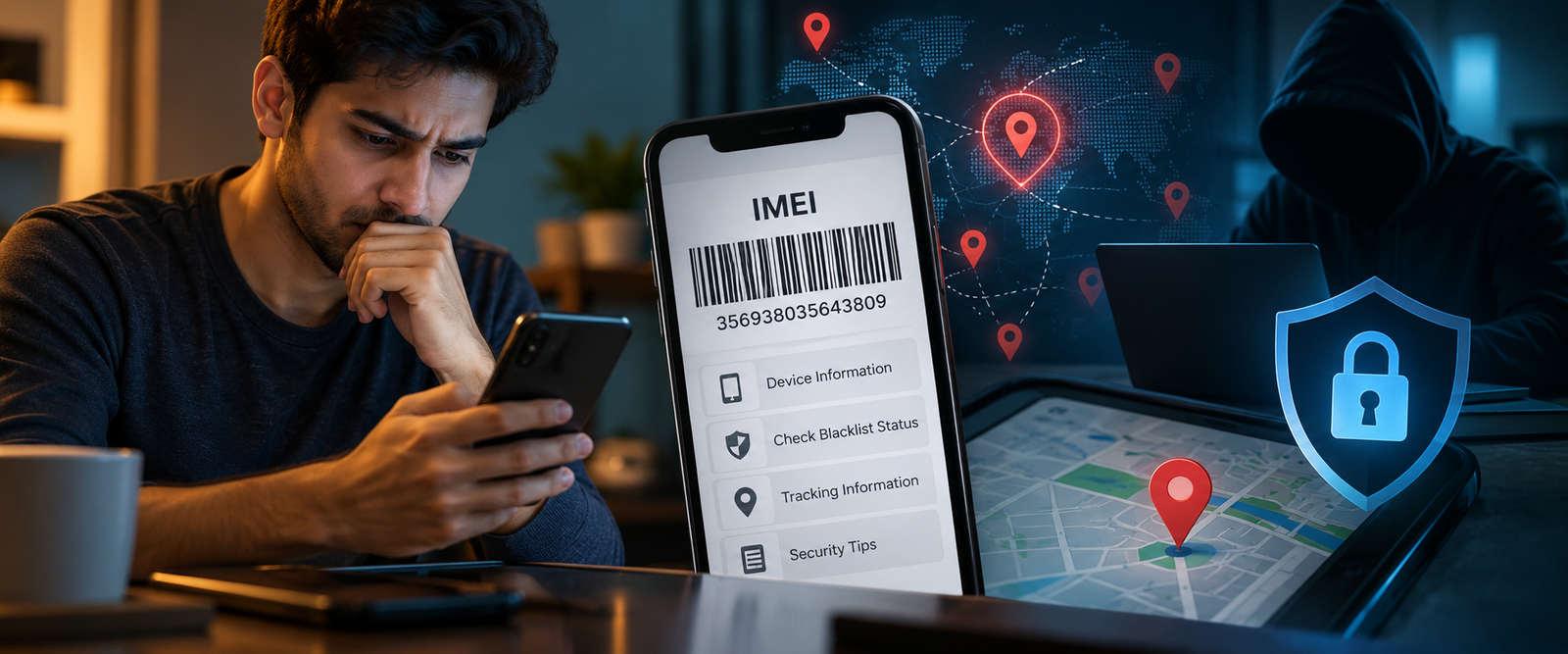
Your smartphone contains a unique identifier called an International Mobile Equipment Identity (IMEI) number. It helps mobile networks identify a device and can be useful when a phone is lost or stolen. However, many people worry that someone could use this number to track their location, access personal information, or monitor their activities without permission.
The truth is that an IMEI number does not work like a GPS tracker. Ordinary users cannot simply enter an IMEI into a website and obtain a phone's live location. Mobile network operators may use IMEI information to identify devices on their networks, while locating a phone generally requires authorized network access or a suitable device-finding service.
If you want to track my IMEI or understand how an IMEI tracker works, it is important to distinguish legitimate device identification from actual location tracking. Understanding these differences can help you protect your privacy, avoid misleading websites, and take the right steps if your phone goes missing.
1. Is It Safe to Share Your IMEI Number Online?
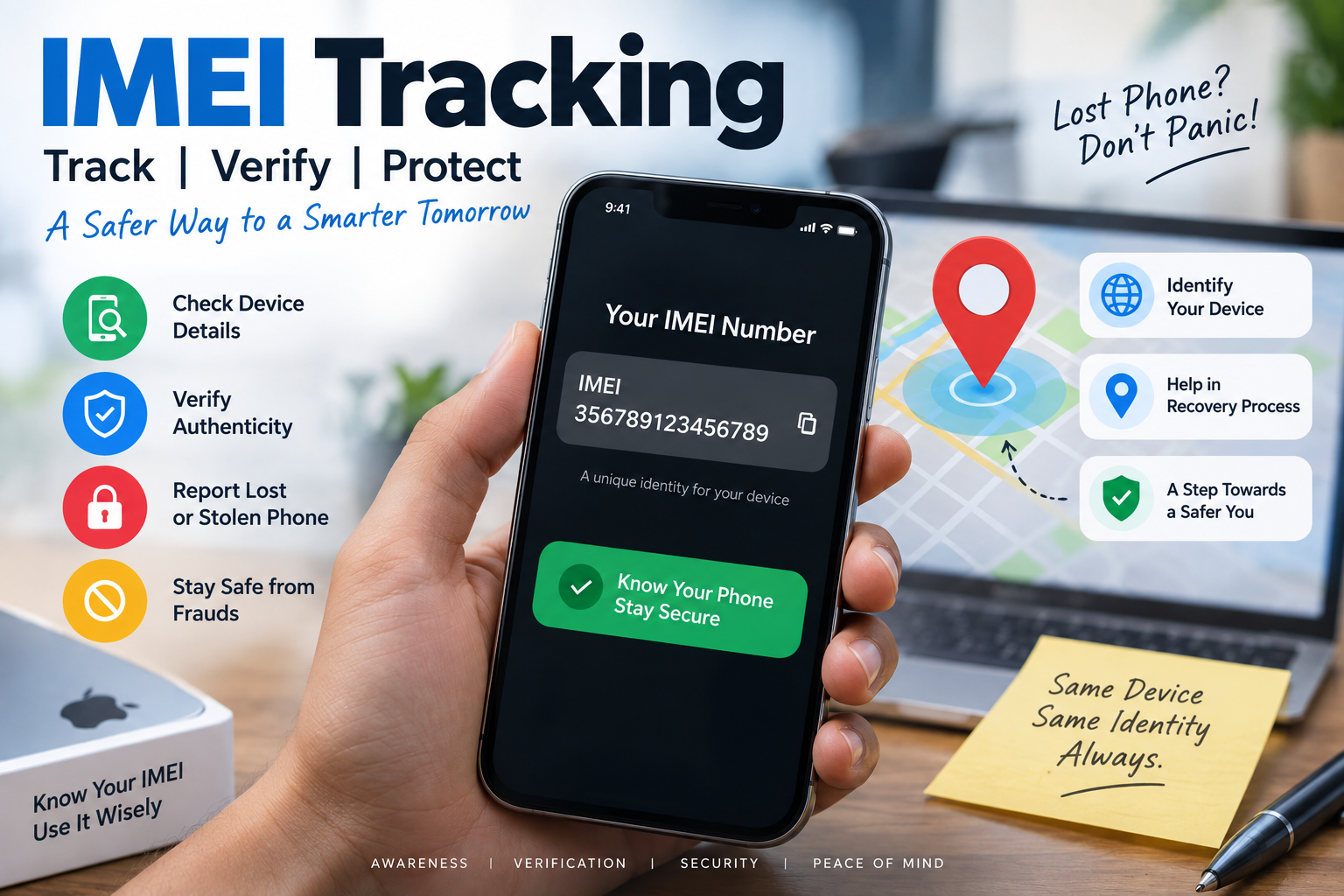
Sharing your IMEI number online is not always dangerous, but you should treat it as sensitive device information. An IMEI is generally a 15-digit identifier associated with a mobile device. Unlike a password, it does not normally provide direct access to your phone or accounts. Nevertheless, sharing it publicly or with an untrusted service creates unnecessary privacy and security risks.
Why Your IMEI Number Deserves Protection
Your IMEI identifies your device rather than directly identifying you as a person. However, it can be associated with other information through mobile network records, device registration systems, and service-provider databases.
For example, a mobile operator can associate a device identifier with the mobile subscription using it. This relationship may help with device management, fraud prevention, and blocking a reported stolen phone. The information available to an ordinary website visitor is very different from the information accessible to an authorized network operator.
Before sharing your IMEI, consider these precautions:
Avoid public posts: Do not publish your complete IMEI on social media, public forums, or open comment sections.
Verify the recipient: Share it only with a legitimate manufacturer, mobile operator, insurer, or authorized service provider when necessary.
Check website credibility: Read the privacy policy and understand why a service requests your device identifier.
Keep purchase records secure: Store your invoice and device details somewhere private in case you need to report theft or claim a warranty.
Avoid unnecessary submissions: An IMEI tracker service should not require unrelated sensitive information, such as banking passwords or account recovery codes.
Can Someone Hack Your Phone With Only Your IMEI?
An IMEI number alone does not ordinarily allow someone to unlock your phone, read your messages, access your photos, or sign in to your accounts. These activities generally require other vulnerabilities, access, or credentials.
However, exposing your IMEI can create risks when combined with other information or fraudulent activity. Someone might use it in a misleading support request, attempt device-related fraud, or make false claims about a device. The actual risk depends on the attack method and the protections used by the relevant service providers.
For this reason, avoid panicking if you have already shared your IMEI. Instead, remove public posts containing it where possible, watch for suspicious account activity, and contact your mobile operator if you suspect misuse.
2. Can Hackers Misuse Your IMEI Number?
Hackers and fraudsters may attempt to misuse an IMEI number, but it is important to separate realistic risks from exaggerated claims. Knowing an IMEI does not automatically give someone control over a phone. Most serious attacks require additional weaknesses, compromised accounts, social engineering, or unauthorized access to systems.
Common Ways an IMEI Number Could Be Misused
Device-related fraud: A fraudster may use an IMEI alongside false ownership information or stolen personal details when attempting to deceive a service provider. Whether such an attempt succeeds depends on the provider's verification procedures.
Fake tracking services: Some websites advertise instant location tracking using only an IMEI. They may display fabricated maps, request payment for nonexistent results, or collect personal information without providing a legitimate tracking service. Be cautious of any website promising guaranteed live location access without explaining its lawful access and technical requirements.
Unauthorized device blocking attempts: IMEI numbers may be involved in device-blocking procedures. However, an identifier alone should not be assumed sufficient to make a legitimate operator block a phone. Verification requirements and procedures vary by provider and jurisdiction.
Social engineering: Criminals may combine an IMEI with a phone model, phone number, purchase details, or other leaked information to make fraudulent requests appear more convincing.
How to Protect Your Device From IMEI-Related Misuse
You can reduce unnecessary exposure by following practical security measures:
Keep your phone protected with a strong screen lock and biometric authentication where available.
Use unique passwords and two-factor authentication for important accounts.
Install operating system and security updates promptly.
Never share one-time passwords, account passwords, or recovery codes with a person claiming to provide IMEI tracking.
Avoid installing unknown applications that request unnecessary permissions.
Contact your network operator if you receive an unexpected notice about your device being blocked or reported stolen.
If your phone is lost, use the official device-finding service linked to your account and contact your mobile operator. An IMEI can help the operator identify the device, but it is not a substitute for a location service.
3. Can Someone Track Your Location Without Your Permission Using IMEI?
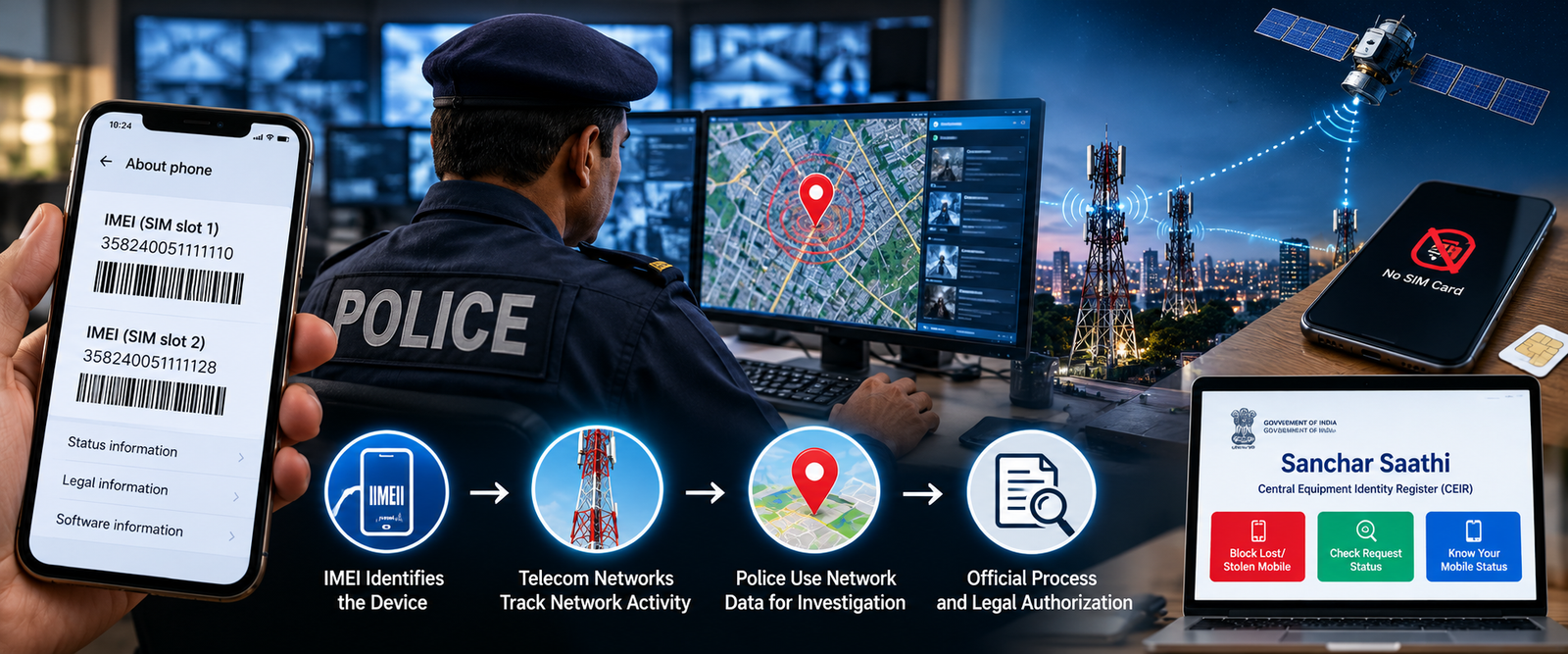
The answer depends on who is attempting to track the device and what access they have. A random person who knows your IMEI cannot ordinarily enter it into a public website and see your real-time location. Mobile operators, however, can use network information to identify devices connected to their infrastructure and may be able to determine approximate locations under applicable technical, legal, and operational conditions.
This distinction is important because device identification and location tracking are two different functions.
How Mobile Networks Use IMEI Information
When a mobile phone connects to a cellular network, its IMEI can be transmitted as part of network procedures. The identifier helps the network distinguish a device from other devices and can support compatibility checks, fraud prevention, and device-blocking processes.
Network-based location estimates depend on information such as cell towers and network measurements. The accuracy varies according to network conditions, the surrounding environment, and available technical capabilities. An IMEI is not itself a location sensor and does not independently calculate GPS coordinates.
Access to network records is controlled by the relevant operator and applicable laws. In certain circumstances, authorized authorities may request information through lawful procedures. This does not mean that every person or website can access those records.
IMEI Tracking vs. GPS Tracking
These methods serve different purposes:
IMEI identification: Identifies a mobile device on a network.
GPS location: Uses satellite signals and device capabilities to estimate geographical position.
Device-finding services: Use account authentication and available location information to help owners locate, secure, or erase their devices.
Cellular network positioning: Estimates a device's location using network-related information, where supported.
For example, if you lose an Android phone, Google's Find Hub can help locate, secure, or erase it when the necessary settings and conditions are met. Depending on the device and configuration, it may also provide a last known location or support certain offline-finding features. See Google's official Find Hub instructions.
Can an Online IMEI Tracker Free Website Find Your Live Location?
Not simply because you provide an IMEI. A legitimate service may use the identifier to check device information, such as the manufacturer, model, or blacklist status, depending on its data sources. Those functions are different from retrieving a live location.
Before using any online IMEI tracker free tool, ask yourself:
Does the website clearly explain what information it can retrieve?
it identify the service provider responsible for the results?
Does it explain its privacy and data-retention practices?
Does it promise live tracking without requiring any authorized access or explaining how the service works?
it demand payment, passwords, or verification codes before showing supposed location results?
A service that guarantees precise live tracking from an IMEI alone should be treated with skepticism. Do not pay for a claimed tracking result until you have verified the provider's legitimacy and capabilities.
What Should You Do If Someone Is Tracking Your Phone?
If you suspect unauthorized tracking, focus on the methods that can actually expose your location or accounts.
Review location-sharing settings in your Google or Apple account.
Check which applications have location permissions and remove access that is unnecessary.
Review signed-in devices and active sessions on your important accounts.
Change compromised passwords and enable two-factor authentication.
Install security updates and remove unfamiliar applications you do not trust.
Contact your mobile operator if you suspect SIM-related fraud or unauthorized changes to your account.
If you believe your device has been stolen, report it to the appropriate authorities and provide your IMEI and proof of ownership when requested.
These steps are more useful than repeatedly submitting your IMEI to unfamiliar tracking websites. If you suspect that someone is monitoring you through a more serious compromise, use a trusted device to secure your accounts and seek reputable technical assistance.
Frequently Asked Questions
Can I track my phone using only its IMEI number?
Generally, no. An IMEI identifies a device but does not independently provide public access to its live location. Contact your mobile operator and use an official device-finding service if your phone is missing.
Can someone track my IMEI without a SIM card?
Removing the SIM card does not automatically make a phone impossible to locate. Depending on the device, its connectivity, settings, and available finding services, some location features may still work. However, an IMEI alone does not reveal the phone's location.
Is an online IMEI tracker free service reliable?
Reliability depends on the service and the information it actually provides. A tool may check device details or blacklist status without offering location tracking. Verify its capabilities and privacy policy before submitting information.
Should I change my IMEI if someone knows it?
Do not attempt to change your IMEI. It is a device identifier, and altering it may violate local laws or regulations. Instead, protect your accounts, avoid further unnecessary disclosure, and contact your operator if you suspect misuse.
Can an IMEI reveal my personal information?
The number itself does not ordinarily reveal your name, passwords, messages, or home address. However, an organization with access to relevant databases may associate it with other device or subscription records.
Conclusion
Your IMEI number plays an important role in mobile device identification, but it should not be confused with a GPS tracking system. Knowing the number alone does not normally allow a stranger to track your live location, access your private messages, or take control of your phone.
If you want to track my IMEI because your device is missing, prioritize your phone's official finding tools, contact your network operator, and report the loss when appropriate. Treat online IMEI tracker free websites cautiously, especially those promising instant live tracking without explaining their capabilities.
Protecting your IMEI, securing your accounts, and understanding how mobile networks and location services work will help you make better privacy decisions without falling for misleading tracking claims.
Leave a Reply
Your email address will not be published. Comments are reviewed before they appear.