
How to Protect Your IMEI Number From Misuse
Byadmin
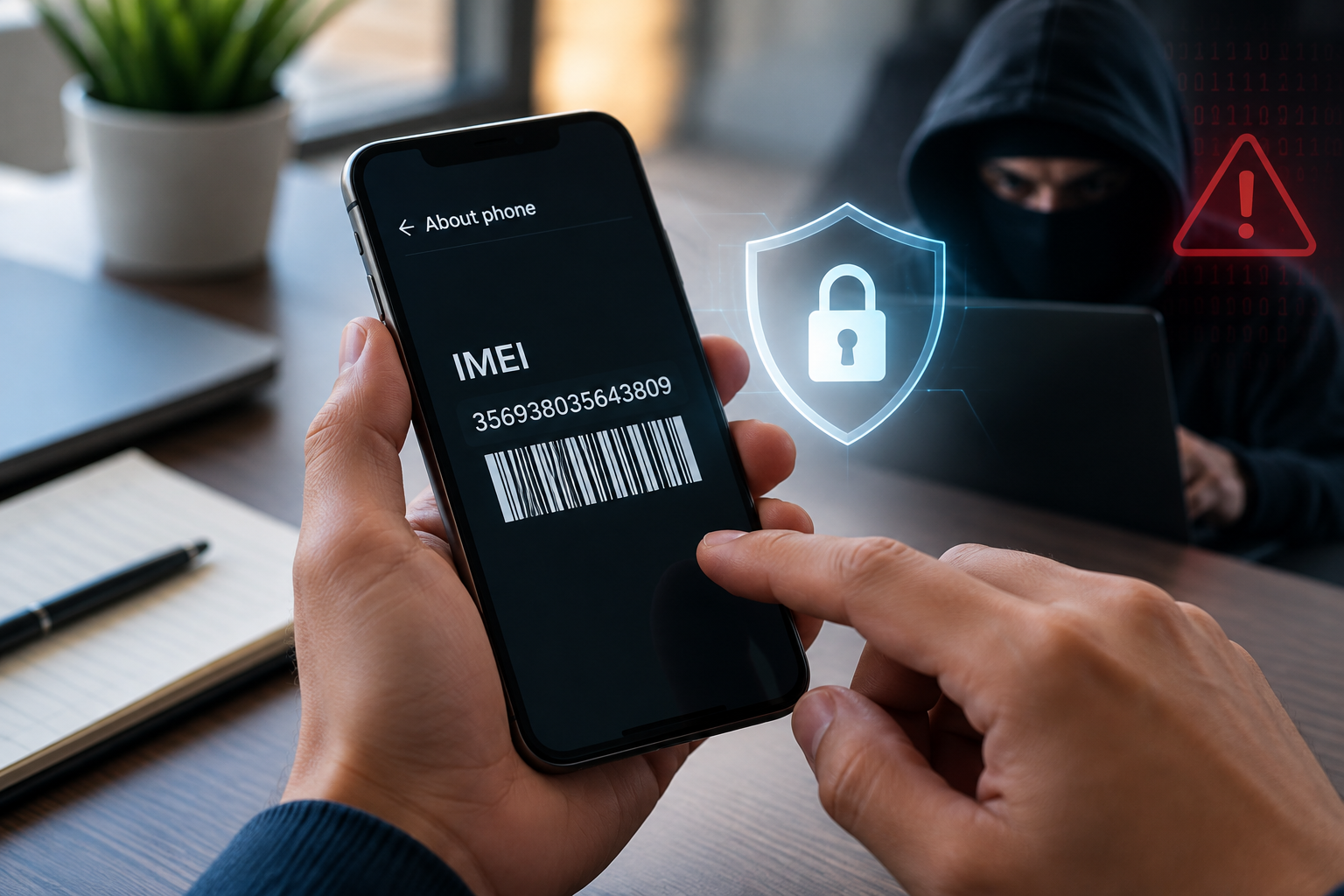
Your IMEI number is a unique identifier that helps mobile networks recognise your smartphone. Protecting it is important because fraudulent activities, such as device identity manipulation and IMEI cloning, can create problems for mobile users. Avoid sharing your complete IMEI number on public websites, social media platforms, or with unknown individuals.
Be cautious when using online services that request your device details. Some websites advertise a dummy IMEI or promise to generate alternative identification numbers. Avoid such services, as unauthorised IMEI modification can create legal and security issues.
Here are some simple precautions to follow:
Never publish your complete IMEI number publicly.
Use trusted websites for IMEI verification.
Purchase smartphones from authorised sellers.
Keep your purchase invoice and device information secure.
Avoid unknown applications claiming to modify your IMEI.
Contact your mobile network operator if you notice suspicious device activity.
If you suspect that your IMEI number has been misused, contact your network provider and report the issue to the appropriate authorities.
Remember, your IMEI number alone cannot normally provide access to your private data or reveal your phone's live location. Responsible sharing and regular device security checks can help protect your smartphone from unnecessary risks.
How Can Someone Misuse Your IMEI Number?
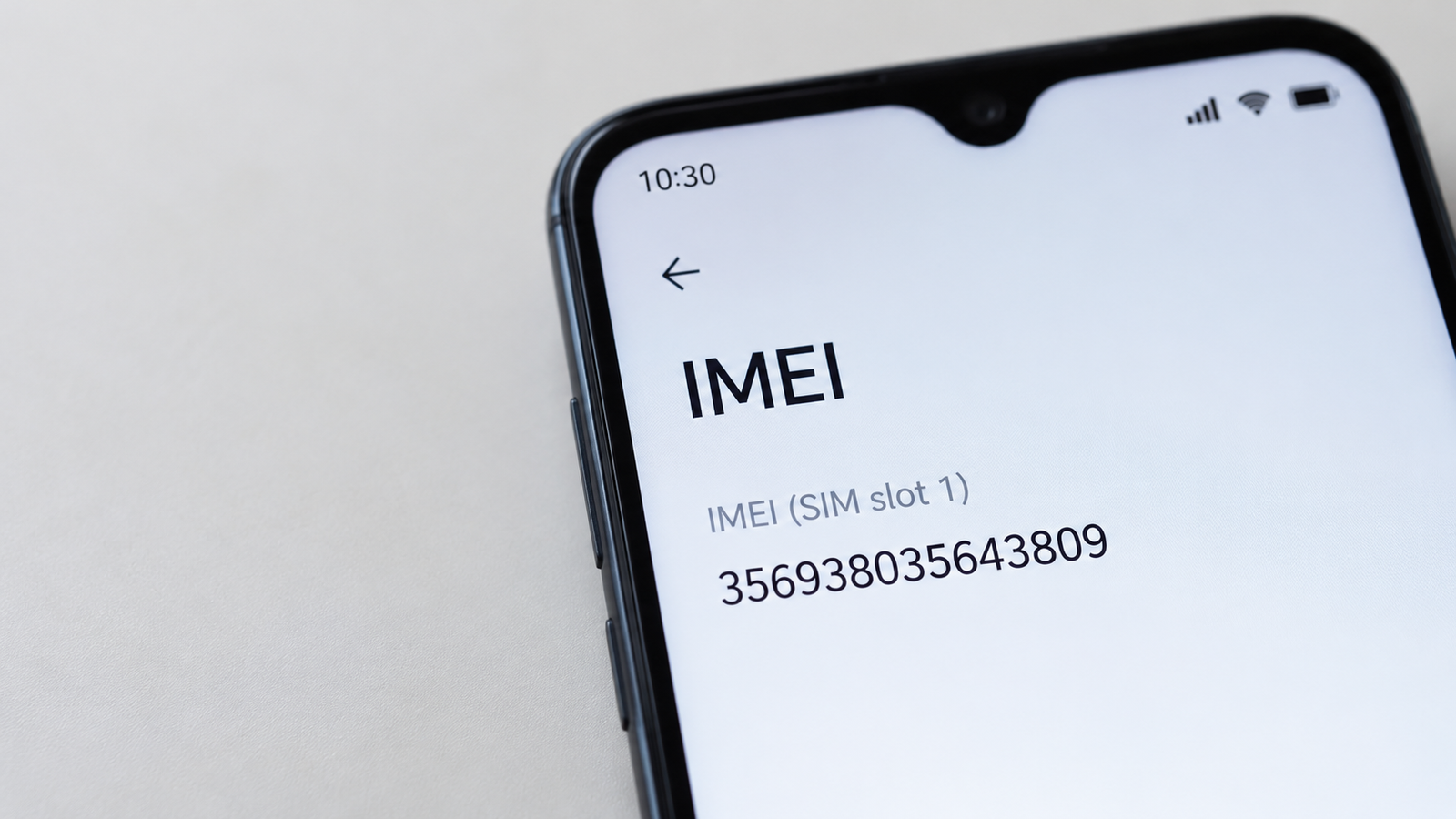
Every smartphone has a unique identification number known as an IMEI (International Mobile Equipment Identity). This 15-digit number helps mobile networks identify individual devices and distinguish one handset from another. Although most users rarely think about their IMEI number, it plays an important role in mobile network security, device verification, and stolen phone reporting.
Many smartphone owners share their IMEI details without considering where that information might end up. For example, someone might upload a screenshot containing their IMEI number to a public forum, share it with an unknown online seller, or enter it into an unfamiliar website.
But can someone actually misuse this information?
Knowing an IMEI number alone does not normally allow someone to hack a smartphone, access personal messages, or obtain its live location. However, fraudulent activities involving device identifiers can create problems, particularly when an IMEI is cloned, altered, or associated with an unauthorised device.
Understanding these risks is the first step towards protecting your smartphone.
1. Unauthorized IMEI Cloning
IMEI cloning involves copying or reproducing the device identification number of one mobile phone onto another device. This can make two separate handsets appear to have the same identity when communicating with mobile networks.
For example, imagine that your smartphone has a particular IMEI number. A fraudster attempts to reproduce that identifier on another handset. If both devices connect to mobile networks, their activity may create identification and investigation challenges.
IMEI cloning is not something an ordinary person can accomplish simply by knowing your number. It generally involves specialised technical manipulation of device identification systems.
However, cloned identifiers can create several problems:
Your device identity may become associated with activity from another handset.
Mobile network operators may encounter unusual device identification records.
Investigations involving lost or stolen devices can become more complicated.
Incorrect device identification may create difficulties when verifying a handset.
The Indian government's Central Equipment Identity Register (CEIR) system helps address these issues by maintaining records of mobile device identifiers and supporting the blocking of lost or stolen handsets.
It is also important to understand that IMEI cloning and the use of a dummy IMEI are not legitimate methods of protecting a smartphone. Users should avoid services or software that promise to generate, replace, or modify device identifiers.
2. Mobile Device Identity Fraud
Mobile device identity fraud occurs when someone manipulates or misrepresents a device's identification information for fraudulent purposes.
For instance, a dishonest seller might advertise a smartphone using identification details that do not match the actual device. Similarly, a person selling a second-hand phone might provide misleading information about its identity or network status.
These situations can make it difficult for buyers to determine whether a smartphone is genuine, properly registered, or reported as lost or stolen.
Consider a simple example: someone purchases a used smartphone from an unknown online seller. The seller provides an IMEI number belonging to a different handset. When the buyer checks the device details, the information does not match the phone being sold.
This is why checking device information before purchasing a second-hand smartphone is important.
To reduce the risk of device identity fraud:
Compare the IMEI displayed on the phone with the number printed on its original packaging, where available.
Check the device information through official verification services.
Purchase smartphones from authorised retailers or trustworthy sellers.
Request a valid purchase invoice when buying a second-hand device.
Avoid phones with suspicious or inconsistent identification details.
In India, users can use the government's Sanchar Saathi services to verify mobile device details. This can help identify discrepancies before purchasing a handset.
3. Fake Device Registration
Fake device registration is another concern associated with fraudulent device identification.
In this situation, someone may attempt to use incorrect, duplicated, or manipulated device information during a registration or verification process. This can create confusion about the actual identity and ownership of a mobile handset.
For example, imagine purchasing a smartphone that has been advertised as a genuine branded device. However, its IMEI verification details show a different model or manufacturer.
This mismatch should not be ignored. It could indicate an incorrect listing, a counterfeit handset, or a problem with the device's identification information.
Not every mismatch automatically means fraud. Occasionally, errors can occur in product listings or device databases. However, buyers should investigate discrepancies before completing a purchase.
Here are some practical precautions:
Verify the IMEI before purchasing a new or used smartphone.
Check whether the displayed device model matches the actual handset.
Avoid purchasing devices with invalid, duplicate, or suspicious IMEI records.
Keep your purchase receipt and warranty documents.
Contact the manufacturer or authorised service provider if verification results appear incorrect.
The purpose of verification is not simply to check whether a number exists. It is to confirm that the device's identification information is consistent with the handset you intend to use.
4. Potential Privacy and Security Risks
An IMEI number is not equivalent to a password, banking PIN, or account login credential. Therefore, sharing the number does not automatically give another person access to your private information.
However, exposing device identification details unnecessarily can still create avoidable risks.
For example, publicly sharing your IMEI number alongside your phone model, purchase information, and other personal details may provide additional information to someone attempting to impersonate you or investigate your device.
The actual risk depends on what other information is exposed and how the information is used.
You should pay attention to the following situations:
Public screenshots: Screenshots of device settings or purchase documents may accidentally reveal your IMEI.
Unknown websites: Some websites request device details without clearly explaining why they need them.
Untrusted repair services: Unauthorised technicians may attempt to modify device software or identification information.
Suspicious buyers: Someone requesting unnecessary device details during an online transaction may have questionable intentions.
A practical approach is to share your IMEI only when there is a legitimate reason, such as an authorised service request, official verification, or reporting a lost or stolen phone.
You should also avoid entering sensitive device information into websites that make unrealistic promises about accessing private phone data.
Can Someone Track Your Phone Using Your IMEI Number?
This is one of the most common questions smartphone users ask when discussing mobile security.
The short answer is that an ordinary person cannot simply enter an IMEI number into a public website and obtain the phone's live GPS location.
An IMEI number identifies a mobile device on cellular networks. It is not a GPS receiver and does not independently transmit location information.
Mobile network operators can use device identification information within their network systems. Authorised law enforcement agencies may also work with telecom operators to investigate lost or stolen devices through applicable legal and technical procedures.
This is different from a public IMEI tracker that claims to reveal the exact location of any phone.
For legitimate phone recovery, users should consider the following options:
Google Find Hub: Android users can use Google's official service to locate supported devices, play a sound, secure a device, or erase its data when the required conditions are met.
Apple Find My: iPhone owners can use Apple's Find My service to locate supported devices and activate Lost Mode.
IMEI verification: An IMEI tracker or verification service can help check device identification information, depending on the service's capabilities. It should not be confused with a live location tracking service.
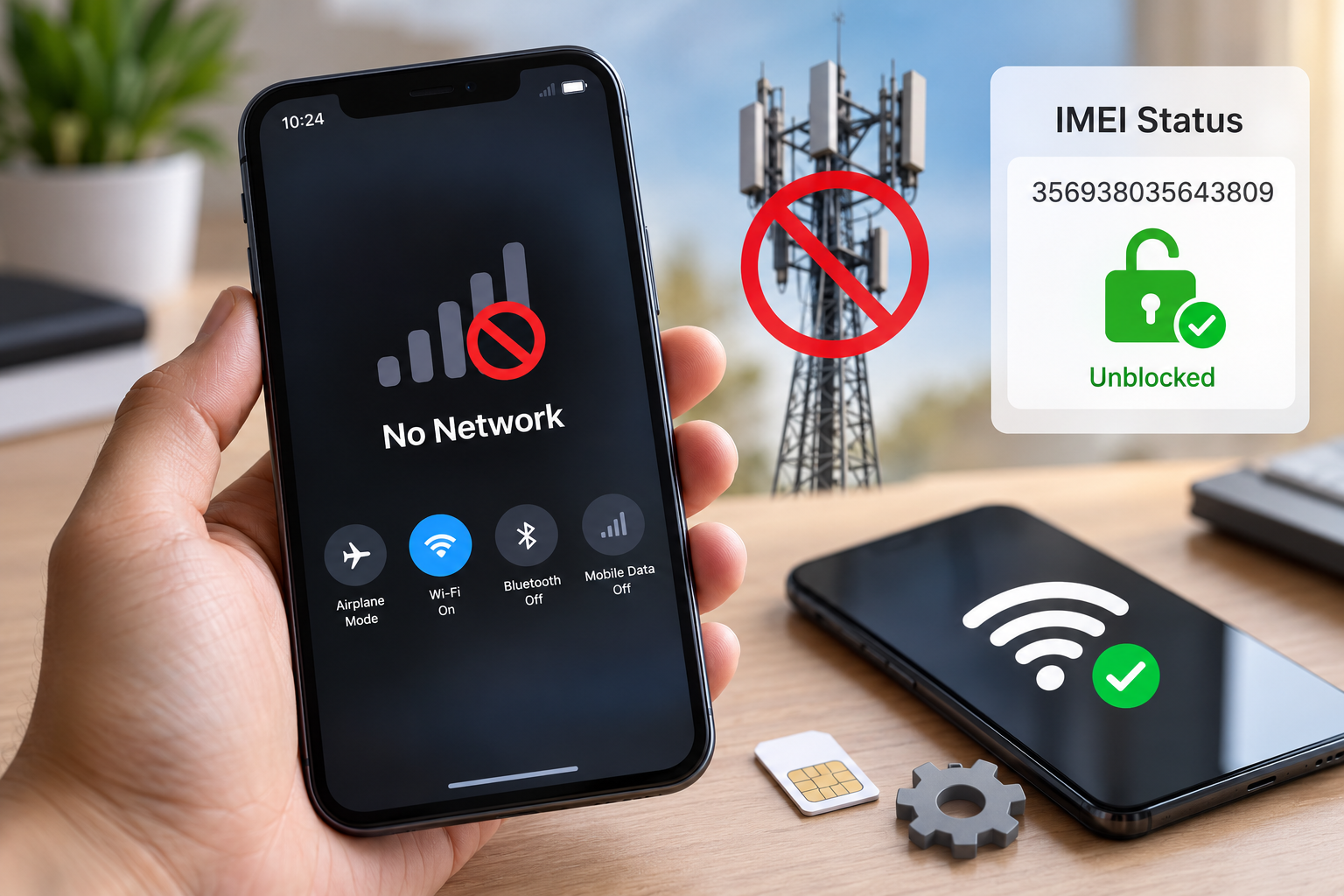
Official CEIR services: Indian users can request the blocking of a lost or stolen handset through the government's CEIR system.
Remember that a legitimate imei number tracker should clearly explain what information it can access. Be cautious of websites claiming that an IMEI number alone can reveal someone's exact location without network access or authorisation.
Frequently Asked Questions (FAQs)
1. Can someone hack my phone using my IMEI number?
Knowing your IMEI number alone does not normally allow someone to hack your smartphone or access your personal files. However, you should avoid sharing device identification details unnecessarily and maintain strong account security.
2. Can someone clone my IMEI number?
IMEI cloning is a form of device identity manipulation that may involve specialised technical methods. It is not something that can ordinarily be done just by looking at your IMEI number. If you notice suspicious device identification issues, contact your network operator or an authorised service provider.
3. Is it safe to share my IMEI number online?
It is better to avoid sharing your complete IMEI number publicly. Only provide it to trusted service providers, manufacturers, or official verification services when necessary.
4. Can I change or hide my IMEI number?
An IMEI is intended to remain a permanent device identifier. Unauthorised alteration or tampering is prohibited under Indian telecommunications law. You should never use software or services promising to change your device's IMEI.
Conclusion
Your IMEI number is an important part of your smartphone's identity, and protecting it is a sensible mobile security practice. Although simply knowing an IMEI does not automatically expose your personal information or allow someone to track your phone, fraudulent activities such as IMEI cloning, device identity manipulation, and fake device registration deserve attention.
The best protection is to avoid sharing your IMEI publicly, purchase devices from reliable sellers, verify identification details before buying a smartphone, and use authorised repair centres.
If your phone is lost or stolen, report the incident to the appropriate authorities and use official device recovery and IMEI-blocking services rather than relying on websites promising instant location tracking.
A little awareness can help you make safer decisions and protect your mobile device from unnecessary risks.

Leave a Reply
Your email address will not be published. Comments are reviewed before they appear.