
What Should You Do If Someone Finds Your Lost Phone but Doesn't Return It?
Byadmin
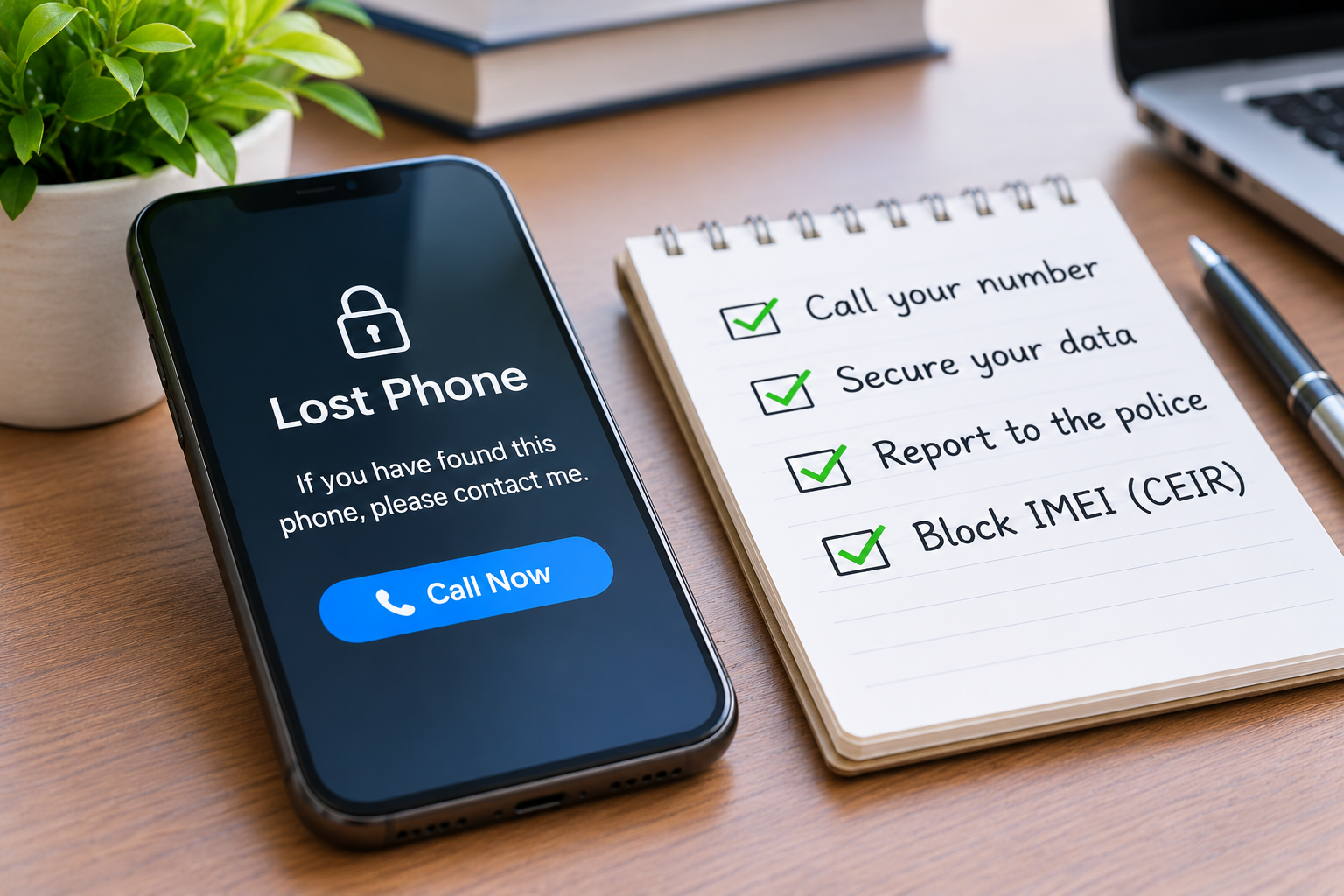
Losing a smartphone is frustrating, but the situation becomes more serious when you discover that someone has found your phone and is refusing to return it. Your smartphone contains personal photographs, banking applications, private conversations, saved passwords, business information, and other sensitive data. Losing access to these things can create problems beyond the financial value of the device.
If you believe someone has your lost phone, avoid making assumptions or confronting an unknown person without proper evidence. Instead, focus on confirming the available information, securing your personal data, and reporting the incident through appropriate channels.
There are several steps you can take to improve your chances of recovering the device. You can try contacting your number, check its last known location through official device recovery services, preserve relevant evidence, and submit a police complaint. In India, the Department of Telecommunications also provides the Central Equipment Identity Register (CEIR), which allows users to report and block lost or stolen mobile handsets.
Many people search for ways to track imei lost phone situations because they believe an IMEI number can immediately reveal the device's location. However, an IMEI number is primarily a unique device identifier. It can help authorised authorities and telecom systems identify and trace a reported handset, but a public imei tracker cannot independently provide its live GPS location.
Understanding the correct recovery process can help you protect your information and take appropriate action without wasting time on unreliable tracking services.
Try Calling or Sending a Message to Your Phone
The first practical step is to try contacting your lost phone. If someone has found the device, they may answer your call or notice a message displayed on the screen.
Use another mobile phone to call your number. If the phone rings, allow sufficient time for someone to answer. Explain politely that the device belongs to you and ask whether you can arrange a safe way to collect it.
Avoid making threats or sharing unnecessary personal information during the conversation. You do not know who is currently holding the phone, so keeping communication simple and respectful is the safest approach.
If nobody answers, send a short SMS explaining that the phone is lost and providing an alternative contact number or email address. A person who genuinely wants to return the device may use this information to contact you.
You can also try the following:
Call your number from a trusted person's phone.
Send a message with an alternative contact number.
Ask the finder to hand over the phone at a nearby police station.
Keep a record of the date and time of attempted calls.
Save any messages or replies you receive.
If your phone is an Android device, Google's Find Hub can help you locate, secure, or erase it remotely, depending on its settings and availability. Its Mark as lost feature allows you to lock the device and display contact information and a message on the lock screen.
For iPhone users, Apple's Find My service provides options to locate the device, mark it as lost, and display contact information.
Remember that location information may be unavailable if the device is switched off, disconnected, or unable to report its location. In some cases, you may only see its last known location.
What Evidence Can Help With Phone Recovery?
Evidence is important when reporting a lost or stolen phone, especially when you believe another person has found it but is refusing to return it.
Instead of relying only on verbal explanations, collect information that can help establish ownership, identify the device, and explain the circumstances surrounding its disappearance.
For example, if your phone was lost in a shopping centre and you later received a message from someone claiming to have found it, preserve that conversation. Similarly, if your device's location appears near a particular property, save the available location information with its timestamp.
The following evidence can be useful:
IMEI number: A unique device identifier that helps identify your handset.
Purchase invoice: Provides details about the device and supports proof of ownership.
Police complaint: Records the incident and provides an official complaint reference.
Device location screenshots: Preserve available last-known-location information, including dates and times.
Call and message records: Keep relevant communication with the person who may have found the phone.
Device details: Record the brand, model, colour, storage variant, and identifying features.
Witness information: Names and contact details of people who witnessed the incident, if available.
CCTV information: Note the location and approximate time of the incident so police or property management can request relevant footage.
Do not try to access private CCTV systems, accounts, or another person's device without permission. Preserve what you can lawfully access and let the appropriate authorities handle further investigation.
Why Is Your IMEI Number Important?
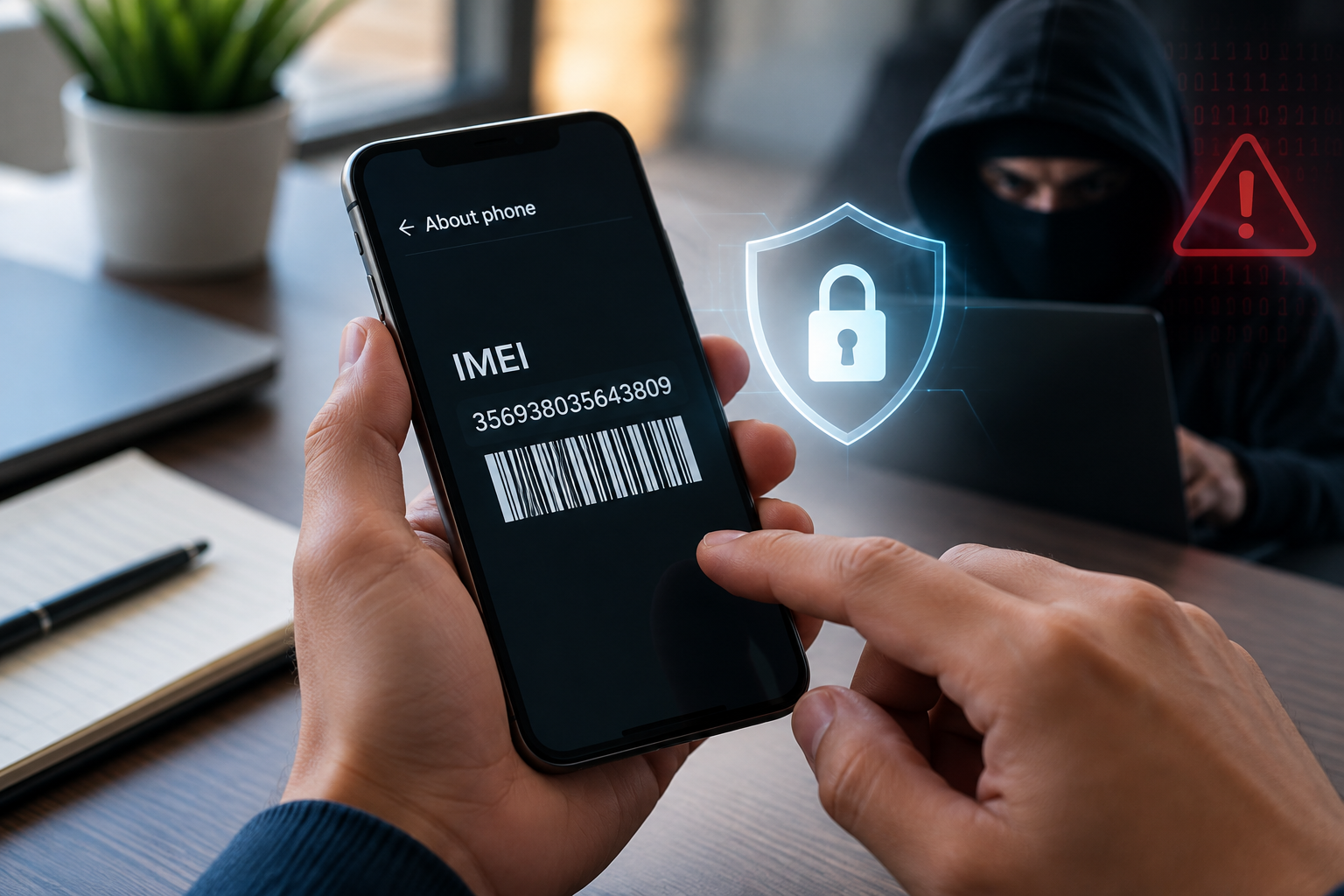
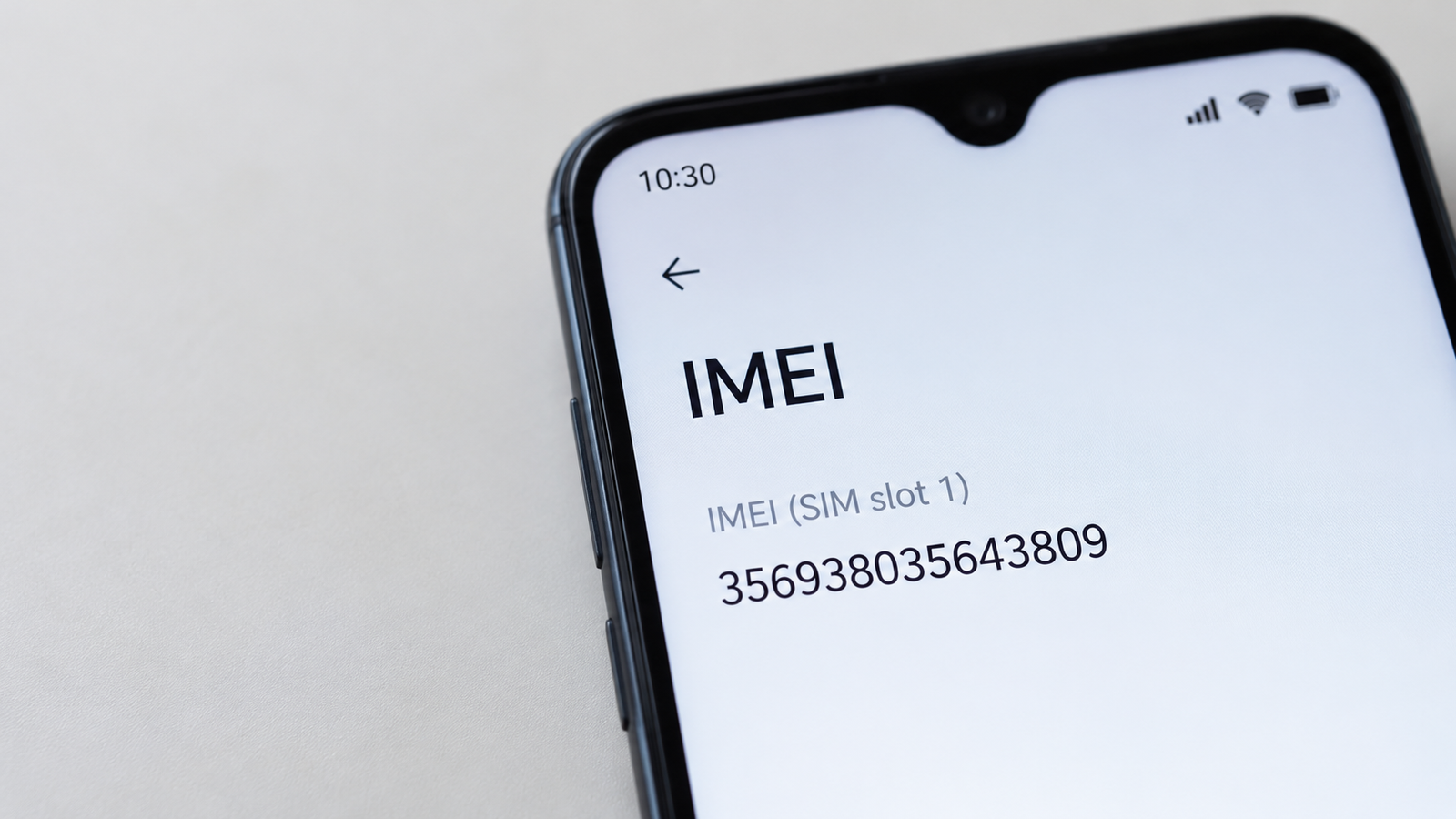
An International Mobile Equipment Identity (IMEI) is generally a 15-digit number assigned to a mobile device. It helps distinguish one handset from another on mobile networks.
When reporting a lost or stolen phone, providing the correct IMEI can help authorities and telecom operators identify the affected device.
You can usually find your IMEI through:
The original mobile phone purchase invoice.
The phone's original packaging.
Your device account or manufacturer's device information, where available.
Google's Find Hub device settings for supported Android devices.
The device settings or records saved before the phone was lost.
Dual-SIM phones generally have two IMEI numbers. If both are available, keep them ready when submitting your complaint or blocking request.
An IMEI number should not be confused with a phone's live location. Entering a 15-digit number into a random website will not automatically reveal where the handset is located.
How to Report a Lost or Stolen Phone to the Police
If someone has found your phone and refuses to return it, or you suspect that the device has been stolen, report the incident to the police.
Explain when and where the phone went missing, what happened afterward, and why you believe someone else may currently possess it. Provide relevant evidence rather than making unsupported accusations against a particular individual.
Your complaint should include:
Your name and contact information.
The mobile number associated with the lost device.
Phone brand and model.
IMEI number or numbers, if available.
Date, approximate time, and location of the incident.
Relevant communication or other supporting evidence.
Keep a copy of the complaint and note its reference number. This information may be required when submitting a request through the official CEIR portal.
If your phone contains banking applications, payment services, or sensitive business information, contact the relevant service providers promptly to secure your accounts.
How to Block Your Lost Phone Using Its IMEI Number in India
If your phone is lost or stolen in India, you can use the government's Central Equipment Identity Register (CEIR) service through the Sanchar Saathi platform.
CEIR allows users to request the blocking of lost or stolen mobile handsets across telecom networks in India. When someone attempts to use a reported handset, its traceability can be generated and shared with the police through the official system.
This is particularly useful when ordinary contact attempts have failed.
Documents Required for an IMEI Blocking Request
Before submitting the request, keep the following information ready:
RequirementPurposePolice complaint or FIRRecords the loss or theftRe-issued SIM cardReceives the OTP for verificationIMEI numberIdentifies the handsetValid identity proof Verifies the device ownerPurchase invoiceAdditional ownership evidence; optional if availableMobile numberConnects the request to the reported device
According to the official CEIR blocking form, a re-issued or duplicate SIM for the lost mobile number is required for OTP verification. A valid identity document and police complaint are also required.
Steps to Submit a CEIR Blocking Request
Visit the official CEIR website.
Select the option to block a lost or stolen mobile handset.
Enter the required mobile number and IMEI information.
Provide the date and location where the phone was lost.
Enter the police complaint details.
Upload the required complaint and identity documents.
Verify the mobile number using the OTP.
Submit the request and save the generated Request ID.
You can use the Request ID to check the status of your application.
Important: IMEI blocking is not the same as recovering the physical phone. It restricts the handset's use across Indian telecom networks and supports the tracing process, but it does not guarantee immediate recovery.
Real Data: How Many Lost Phones Have Been Recovered Through CEIR?
Government recovery data demonstrates why reporting a lost or stolen phone through official channels is important.
According to a Ministry of Communications press release published on 5 October 2026, the Sanchar Saathi platform reported the following cumulative figures since its launch in May 2023.
India's Lost and Stolen Mobile Recovery Statistics
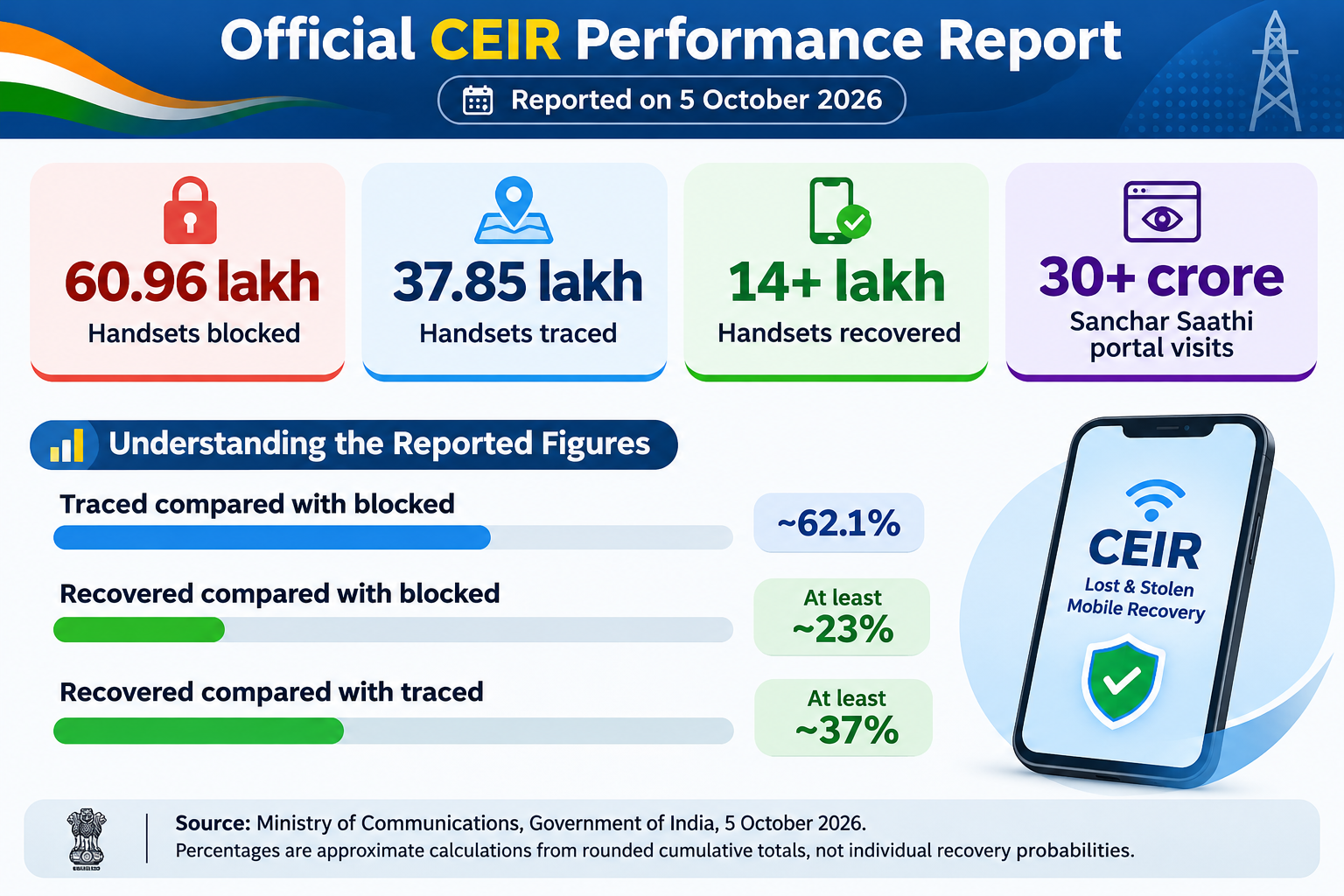
These figures provide an important insight: the official process is not limited to blocking devices. It also supports tracing and recovery through coordination between the Department of Telecommunications, telecom operators, and police authorities.
For example, 37.85 lakh handsets were reported as traced, while more than 14 lakh were recovered and returned to their rightful owners.
However, these are nationwide cumulative figures. They should not be interpreted as a guarantee that every reported phone will be recovered.
Can an IMEI Tracker Help Find a Phone That Someone Refuses to Return?
An IMEI tracker is often searched for by people who want to identify or locate a missing device. However, it is important to understand the difference between IMEI identification and actual location tracking.
An IMEI number identifies a mobile handset. Telecom operators can use device identifiers within their network systems, and authorised authorities may use relevant information during an investigation.
A public website cannot simply access restricted telecom network records and display a person's real-time phone location.
If you want to track imei number details for a lost phone, focus on legitimate identification and reporting procedures.
Here is what different methods can help you do:
MethodWhat it can help withGoogle Find HubLocate supported Android devices and secure themApple Find MyLocate and mark supported Apple devices as lostCEIRBlock lost or stolen handsets and support tracingPolice complaintOfficially report the incident and provide evidenceIMEI informationIdentify the mobile handset
Avoid websites that promise instant live location results simply after entering an IMEI number. Such claims are often misleading and may expose you to unnecessary privacy or payment risks.
For TrackIMEI.net readers, the most useful approach is to understand what an IMEI can actually do and use official recovery channels whenever a phone is missing.
What If Someone Removes the SIM Card or Switches Off Your Phone?
Removing a SIM card does not change the handset's IMEI number. However, it can affect ordinary mobile-network connectivity and make some recovery methods more difficult.
If someone switches off your phone, live location updates may become unavailable. You might still be able to access previously recorded location information through the device's official recovery service, depending on the device model and settings.
For Android devices, Google Find Hub can show the last known location when a current location cannot be obtained, if that information is available.
Consider these situations:
SIM removed: The original mobile number may no longer receive calls, but the handset's IMEI remains associated with the device.
Phone switched off: Real-time location updates may stop.
Different SIM inserted: The device may connect to a network using another mobile subscription.
Internet disconnected: Account-based location updates may become unavailable.
IMEI blocked: The handset is restricted from using Indian mobile networks through the CEIR process.
These situations are why it is useful to preserve the original device information and complete the official reporting process instead of relying only on repeated calls or online tracking searches.
Common Mistakes to Avoid During Phone Recovery
Trying to recover a lost phone can create additional risks if you act without checking the available information.
Avoid the following mistakes:
Confronting an unknown person: Do not visit a suspected location alone or attempt to take the device by force.
Sharing OTPs: Never disclose banking, Google, Apple, or SIM verification codes to an unknown person.
Paying unverified recovery services: Be cautious of websites or individuals demanding money in exchange for guaranteed live IMEI tracking.
Delaying account security: Secure important accounts and contact your mobile operator promptly.
Deleting evidence: Preserve relevant messages, screenshots, and complaint details.
Ignoring official procedures: Submit the appropriate police and CEIR reports instead of relying only on informal communication.
If the device contains sensitive information, prioritise account security even if you still hope to recover the physical phone.
Frequently Asked Questions (FAQs)
1. What should I do if someone finds my lost phone but refuses to return it?
Try contacting the phone, preserve any communication, and avoid confronting the person directly. Report the incident to the police, provide the IMEI and ownership details, and use the official CEIR process to request device blocking where applicable.
2. Can I track my lost phone using its IMEI number?
An IMEI identifies a mobile handset and can support tracing through authorised telecom and law-enforcement systems. It does not provide ordinary users with direct access to the phone's live GPS location.
3. Can police recover a phone using its IMEI number?
Police and authorised agencies can use relevant telecom information and CEIR-related tracing processes to investigate reported lost or stolen devices. Actual recovery depends on available information and investigation.
4. Can someone use my phone after its IMEI has been blocked?
CEIR blocking restricts the reported handset from accessing Indian mobile networks. It does not automatically erase stored information, disable every offline function, or guarantee that the physical device cannot be misused in other ways.
5. Should I erase my phone remotely if someone refuses to return it?
Remote erasure may be appropriate when sensitive information is at serious risk, but consider the consequences first. On Android, Google warns that after a factory reset, the device's location will no longer be available through Find Hub. Secure your accounts and assess recovery options before erasing.
6. What documents are required to block a lost phone in India?
The official CEIR process requires a police complaint or FIR copy, a re-issued SIM for OTP verification, and valid identity proof. A purchase invoice is optional if available, and the IMEI should be provided if known.
7. Can I recover my phone if someone changes its SIM card?
Changing the SIM does not change the phone's IMEI. However, recovery depends on network activity, available tracing information, and the work of authorised authorities.
Conclusion
Discovering that someone has found your lost phone but refuses to return it can be stressful, especially when the device contains important personal and financial information. However, taking the right steps can help you protect your data and improve the chances of a proper recovery.
Start by attempting safe communication, preserving evidence, and securing your important accounts. If the device is not returned, report the incident to the police and use the CEIR portal to request IMEI blocking.
An IMEI tracker should be understood as a device-identification and verification concept, not a shortcut to unrestricted live location tracking. Reliable recovery depends on accurate information, official reporting, and coordination with the appropriate authorities.
At TrackIMEI.net, understanding IMEI identification, mobile security, and lost-device recovery procedures can help users make better decisions when dealing with a missing smartphone. Always choose verified tools and official recovery channels over services promising instant results without evidence.

Leave a Reply
Your email address will not be published. Comments are reviewed before they appear.